

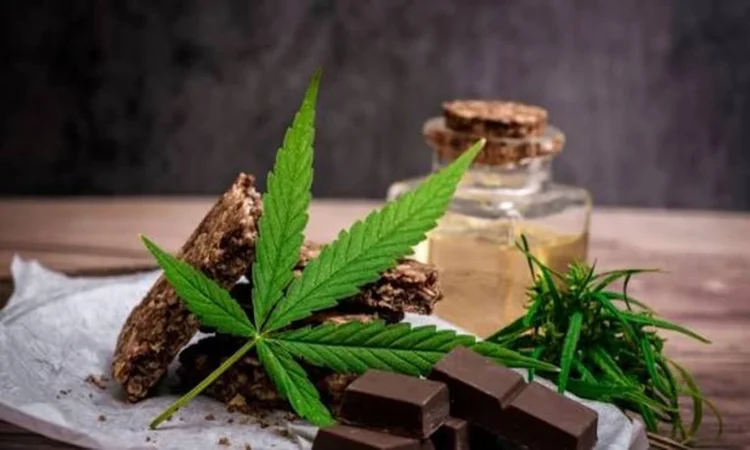

Onset timing separates vaping and edibles more practically than any other difference between the two formats. Exhale’s THC liquid diamonds vape format delivers cannabinoids through inhalation. Edibles deliver them through digestion. Those two pathways produce different onset windows, different duration profiles, and different levels of session control. Routine structure determines which format fits rather than any absolute quality difference between them.
Vaping onset window
Vaporised cannabinoids reach the bloodstream through lung tissue within seconds of inhalation. Perceptible effect begins within two to five minutes of the first draw in most users. Peak effect arrives within fifteen to thirty minutes, depending on serving size and individual metabolic rate. The duration of a standard vaping session runs between one and three hours across moderate consumption levels.
Short onset and defined duration make vaping a format that fits structured time blocks with reasonable predictability. A session begun at a specific time produces effects that resolve within a foreseeable window. That predictability suits routines where timing carries importance.
Edibles onset window
Edibles pass through digestion before cannabinoids enter circulation. Onset ranges from 30 minutes to close to two hours, depending on individual digestive rate, food intake before consumption, and product formulation. Peak effect arrives later and sustains longer than vaping at comparable cannabinoid amounts.
- The duration of edibles commonly runs between four and six hours at moderate serving sizes.
- The extended onset window requires planning that vaping does not.
- Consuming an edible without accounting for onset delay produces timing mismatches that inhalation avoids entirely.
- Live resin edible formulations carry broader compound profiles than distillate alternatives at equivalent milligram counts.
Routines suiting vaping
Vaping fits routines where a defined, time-limited session is the goal. Evening use after obligations conclude, a specific window of free time, or situations where the experience needs to be resolved before commitments resume the following day. Incremental session control is available through vaping in ways that edibles do not offer. Additional draws extend the session. Stopping draws allows the effect to resolve within the standard duration window without further intervention.
Routines suiting edibles
Edibles suit routines where an extended effect across several hours is the goal rather than a quick, defined session. Rest days, long unstructured evenings, or situations where the slow build and extended duration complement what the time period calls for. Once consumed, the serving size is fixed, and duration follows regardless of how the session develops. That characteristic suits settings where extended effect is desirable rather than situations where duration control matters.
Milligram figures across both formats describe quantity without describing delivery efficiency across either pathway. A direct potency comparison between vaping and edibles based on milligram figures alone produces inaccurate expectations about relative effect strength. Routine structure rather than format preference is the more reliable filter for selecting between the two. Vaping fits structured, time-defined use. Edibles fit unstructured, extended use. Using each format for the situations it suits produces more consistent outcomes than committing to one regardless of what the occasion calls for.